
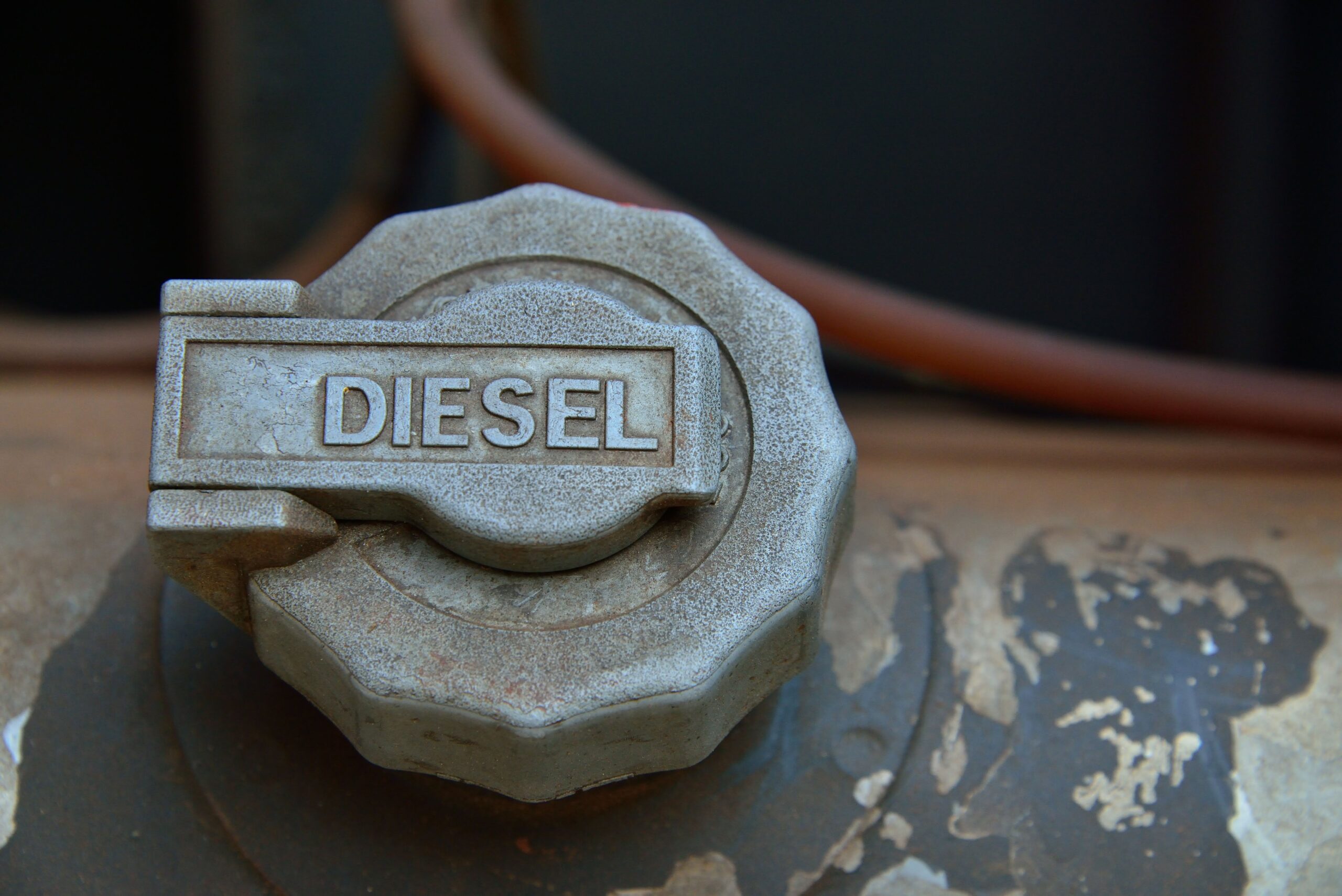
Fuel storage is one of those things that tends to go unnoticed when it’s working well and becomes a serious problem when it isn’t. Whether you’re running heavy equipment through a demanding season or managing a fleet that needs constant access to diesel, the tank behind your operation has a direct impact on how reliably everything else moves.
Understanding Your Fueling Needs
How Usage Patterns Shape Tank Selection
Before settling on any tank, it’s worth getting an honest look at how your operation actually consumes fuel. Volume matters, but so does timing. An operation that burns through large amounts during a short seasonal window has different requirements than one with steady, year-round demand.
Peak periods are especially important to plan around. If your fuel consumption spikes at certain points and your storage can’t keep up, you end up dealing with delays that ripple through the rest of your schedule. A tank that handles average demand comfortably but falls short during your busiest stretch is only solving part of the problem.
How Industry Type Shapes Tank Design
The kind of work you do also influences what a practical tank solution looks like. Agricultural operations often need storage that’s spread across a large property and easy to reach with farm equipment. In construction or industrial settings, the emphasis might shift toward tanks that fit within a tighter footprint or can be relocated as a project moves. Understanding where your operation falls on that spectrum narrows the options quickly and helps you avoid investing in something that technically works but isn’t quite right for your day-to-day reality.
Above-Ground vs. Underground Tanks
The Case for Above-Ground Storage
Above-ground tanks are the more common choice across most industries, and the reasons aren’t hard to see. Installation is generally more straightforward, and ongoing maintenance is far easier when everything is visible. If something needs attention, you’ll notice it, and that kind of early visibility is a real advantage when you’re trying to stay ahead of issues before they become costly ones.
If your operation relies on commercial gas delivery, an above-ground tank also tends to make the refuelling process more practical. Delivery vehicles can access it without complications, and positioning the tank with logistics in mind is much easier when you’re not working around underground constraints.
What Underground Tanks Offer
Underground tanks have their place, particularly where surface space is limited or where temperature stability matters. Because they’re below grade, they’re less affected by seasonal temperature swings. The trade-off is that installation is more involved, monitoring requirements are stricter, and any issue that develops underground is harder to catch early. For most operations, above-ground storage ends up being the more practical default, though the right answer always depends on the specifics of your site and what regulations govern your area.
Material Selection for Fuel Tanks
Steel Tanks
Steel has been the material of choice for industrial fuel storage for decades, and it remains a solid option for operations dealing with high volumes or physically demanding conditions. It holds up well under pressure and handles the wear that comes with active job sites. Corrosion is the main consideration, especially in wetter climates, but quality coatings and protective liners go a long way toward extending the life of a well-maintained tank.
Poly Tanks
Polyethylene tanks have become increasingly common, especially in settings where mobility is a factor. They resist rust by nature, which makes them well-suited to environments with ongoing moisture exposure. They’re also noticeably lighter than steel, which simplifies transport for operations that need to move storage between locations. The right material ultimately comes down to the conditions your tank will face and how you plan to use it over time.
Safety Features That Protect Your Operation
Spill Containment and Environmental Protection
No matter what kind of tank you choose, the safety features built into it are what determine how well it protects your property and the surrounding environment. Secondary containment is one of the most critical elements. It’s designed to hold any fuel that escapes the primary tank before it can reach the ground or a nearby water source. This kind of protection matters both environmentally and for regulatory compliance, and it’s not something worth cutting corners on.
Venting and Access Control
Proper venting is equally important, even if it’s less visible. As fuel is drawn out and temperatures shift, pressure inside the tank changes, and without the right system in place, that fluctuation can become a real problem. A well-designed vent manages this automatically and keeps vapours from escaping in unsafe ways.
Lockable access points are a simple addition that pays off quickly. Controlling who can draw fuel reduces the chance of contamination and helps you account for every litre that goes in or out. On a busy site with a lot of moving parts, that kind of basic oversight is worth having from day one.
Accessories That Improve Efficiency
Pumps and Filtration
The tank itself is just the foundation. A pump properly matched to your flow requirements speeds up the fuelling process and reduces wear over time. Fuel gauges, whether manual or digital, eliminate the guesswork around how much product you have on hand, which makes scheduling refills far more predictable. Filtration is worth taking seriously as well, since removing water and particulate matter before fuel reaches your equipment protects engines and reduces the risk of repairs that could have been avoided.
Monitoring Technology
Modern fuel monitoring systems have changed how operations manage their inventory. Real-time data on consumption and stock levels makes it easier to spot unusual patterns and plan purchases more accurately. For larger operations, especially, having that information accessible without requiring someone to physically check the tank is a meaningful step forward in day-to-day efficiency.
Compliance With Canadian Standards
Knowing the Rules That Apply to You
Fuel storage is regulated, and the specifics vary depending on how much fuel you store, what kind it is, and your setup. Getting familiar with the requirements that apply to your situation isn’t just about avoiding fines. It’s about operating responsibly over the long term.
Environmental requirements around spill prevention are a consistent focus across most regulatory frameworks. Rules around containment and inspection frequency are worth understanding before you commit to a particular tank and installation approach. Working with a knowledgeable supplier means you’re not navigating those requirements on your own, and you’re much less likely to encounter compliance issues after the tank is already in place.
Future-Proofing Your Fuel Infrastructure
Building for Where Your Operation Is Headed
The needs you have today may look quite different a few years from now. As an operation grows, so does its demand for fuel, and a storage setup that can scale is worth more than one that just barely covers current requirements. Modular designs and systems built to accommodate added capacity make it possible to expand without having to replace everything you’ve already invested in.
Digital fuel management tools also position operations well for what’s ahead. Remote monitoring and automated reporting reduce the manual effort involved in tracking fuel while creating records that support both planning and compliance. Thinking ahead when setting up your infrastructure means you won’t have to rebuild it from scratch when things change.
Conclusion
The right fuel tank is a foundation that the rest of your operation depends on, and the decision deserves more than a quick comparison of prices and sizes. Matching your storage solution to your actual workload and the regulations that apply to you leads to better outcomes over the long run. Talk to our team about the right tank solution for your operation.
Frequently Asked Questions
How do I figure out what tank size is right for my operation?
Start by looking at your average daily fuel use and how often you want to arrange refills. It also helps to account for your busiest periods, since a tank sized only for average demand may leave you short when you need fuel most.
Can a tank be switched from one fuel type to another?
Not without proper steps in between. Tanks are designed with specific fuels in mind, and switching without a thorough cleaning and inspection can affect both fuel quality and the tank itself. Get professional guidance before making that kind of change.
What does secondary containment actually do?
It acts as a backup barrier around the primary tank, catching any fuel that leaks or spills before it reaches the surrounding ground or a water source.
What should I look for in a fuel tank supplier?
Product knowledge matters, but so does what comes after the sale.